
high quality tempered glass
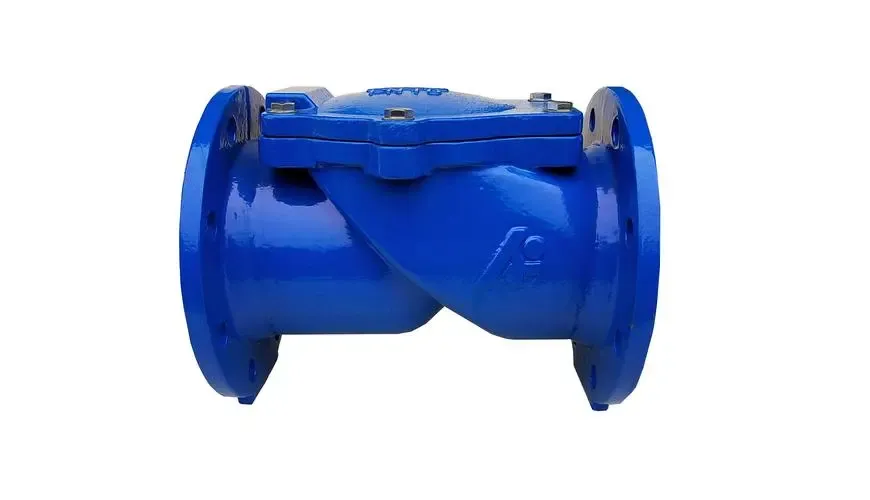
Flow Control Valve Types An Overview Flow control valves are essential components in various industrial processes, used to regulate the flow of liquids or gases within a system. Their functionality is crucial for maintaining the efficiency and safety of fluid handling and distribution. In this article, we will discuss the different types of flow control valves, their operating mechanisms, and their applications across various industries. Types of Flow Control Valves 1. Gate Valves Gate valves are primarily used for on/off control of flow. They operate using a sliding gate or wedge to obstruct or allow fluid passage. When fully open, gate valves provide minimal resistance to flow, making them suitable for large pipelines. However, they are not ideal for throttling purposes as they can lead to erosion and damage. 2. Globe Valves Unlike gate valves, globe valves are designed for throttling applications. They consist of a spherical body with an internal baffle that regulates flow by altering the cross-sectional area through which the fluid can pass. Globe valves provide good control over flow rates, making them suitable for applications requiring precise flow modulation. 3. Ball Valves Ball valves utilize a spherical ball with a bore to control flow. When the ball is rotated, it allows or blocks flow, providing a quick shut-off mechanism. While primarily used for on/off control, ball valves can also be used effectively in flow control applications, depending on their design and actuation method. 4. Butterfly Valves Butterfly valves consist of a circular disc that rotates on a shaft to control flow. They are lightweight and compact, making them ideal for large diameter pipes. Butterfly valves can be used for both on/off and throttling services, and they are often employed in water supply, wastewater treatment, and HVAC systems. 5. Check Valves Check valves are designed to prevent backflow in a system. They allow fluid to flow in one direction only, using a disc or ball that moves toward the seat to block reverse flow when pressure drops. Common applications of check valves include pump systems, where preventing backflow is critical for protecting equipment and maintaining system integrity. flow control valve types 6. Needle Valves Needle valves are specialized valves used for fine control of flow rates. They feature a slender, tapered plug that fits into a seat, allowing for very small flow adjustments. Needle valves are commonly found in laboratory and process applications where precise control of fluid delivery is necessary. 7. Pressure Relief Valves Also known as safety valves, pressure relief valves protect against excessive pressure in a system. They automatically open to release fluid when a predetermined pressure is reached, preventing potential hazards such as pipe ruptures or equipment failures. These valves are crucial in industries such as oil and gas, chemical processing, and water management. Operating Mechanisms Flow control valves can exhibit different operating mechanisms, including manual and automatic operations. Manual valves require an operator to adjust flow rates physically, while automatic valves utilize actuators controlled by sensors or programmable logic controllers (PLCs) to adjust flow according to real-time conditions. The choice between manual and automated valves often depends on the specific application, the required precision, and the ability to respond to changing conditions. Applications Across Industries Flow control valves are utilized across a wide range of industries, including water treatment, oil and gas, pharmaceuticals, food processing, chemical manufacturing, and HVAC. In water treatment, for instance, valves control the flow of water through various treatment stages. In the oil and gas sector, they regulate the flow in pipelines, refineries, and drilling operations. Similarly, in pharmaceuticals, precise flow control is vital for maintaining product quality and compliance with regulatory standards. Conclusion Understanding the various types of flow control valves and their respective applications is crucial for optimizing fluid systems. Each type of valve has its unique advantages and operating principles, making it suitable for specific applications. By selecting the appropriate flow control valve, industries can enhance efficiency, maintain safety, and ensure the reliability of their operations. Whether it’s a simple manual valve or a sophisticated automated system, flow control valves play a pivotal role in the smooth functioning of processes across the board.
about
high quality tempered glass
Understanding Ball Valve Types Ball valves are a crucial component in various industrial and residential applications, offering reliability and efficiency in controlling the flow of fluids. Their design features a spherical closure element (the ball) that rotates within the valve body to either allow or block the flow. Depending on the application, different types of ball valves are used, each with unique characteristics. In this article, we will explore the main types of ball valves, their applications, and the advantages they offer. 1. Floating Ball Valve The floating ball valve is one of the most common types used in various applications. In this design, the ball is not fixed; instead, it floats between the seats. The pressure of the fluid helps push the ball against the downstream seat, allowing for a tight seal in one direction. Floating ball valves are typically used for low-pressure applications and are favored for their simplicity and ease of maintenance. They are available in both full port and reduced port designs, with full port design allowing for minimal pressure loss. 2. Trunnion Ball Valve Unlike the floating ball valve, the trunnion ball valve features a fixed ball held in place by supports (trunnions) at the top and bottom. This design provides greater stability, reduces wear, and ensures a better sealing performance under high-pressure conditions. Trunnion ball valves are ideal for high-pressure applications and are often used in the oil and gas industry, as well as in water treatment facilities. Their ability to handle larger flow rates makes them suitable for large-scale operations. 3. V-Port Ball Valve ball valves types The V-port ball valve incorporates a V-shaped notch in the ball, allowing for precise flow control and throttling capabilities. This design provides superior flow regulation compared to standard ball valves, making it an excellent choice for applications requiring fine adjustments in flow rates. V-port ball valves are commonly used in chemical processing, HVAC systems, and irrigation systems, where precise control is essential. 4. Multi-Port Ball Valve Multi-port ball valves, such as three-way or four-way valves, allow for the distribution of flow into multiple directions. These valves are pivotal in applications where flow diversion, mixing, or balancing is required. For example, in a three-way valve, one inlet can split the flow into two outlets, or vice versa. Multi-port ball valves are widely used in plumbing systems, heating systems, and various industrial processes where flexibility in flow management is necessary. 5. Electric and Pneumatic Ball Valves While traditional ball valves are operated manually, electric and pneumatic ball valves enhance automation in flow control systems. Electric ball valves use electric motors for operation, providing precise control and remote operation capabilities. Pneumatic ball valves, on the other hand, use compressed air to actuate the valve. Both types facilitate faster response times and can significantly reduce the need for manual intervention in complex systems, improving efficiency and safety. Conclusion Ball valves are integral to flow control in many industries, thanks to their versatility and robustness. By understanding the different types of ball valves available, engineers and operators can make informed decisions that cater to specific application needs. Whether choosing a floating, trunnion, V-port, multi-port, or automated ball valve, the right choice ensures sustained efficiency and performance in fluid management systems.
-

High quality industrial productsagement

High quality industrial products
View Details -

Meet the diverse needs of customers

Meet the diverse needs of customers
View Details -

Strict quality control

Strict quality control
View Details -

Top raw materials

Top raw materials
View Details -

Trusted supplier

Trusted supplier
View Details
Our application

news and information
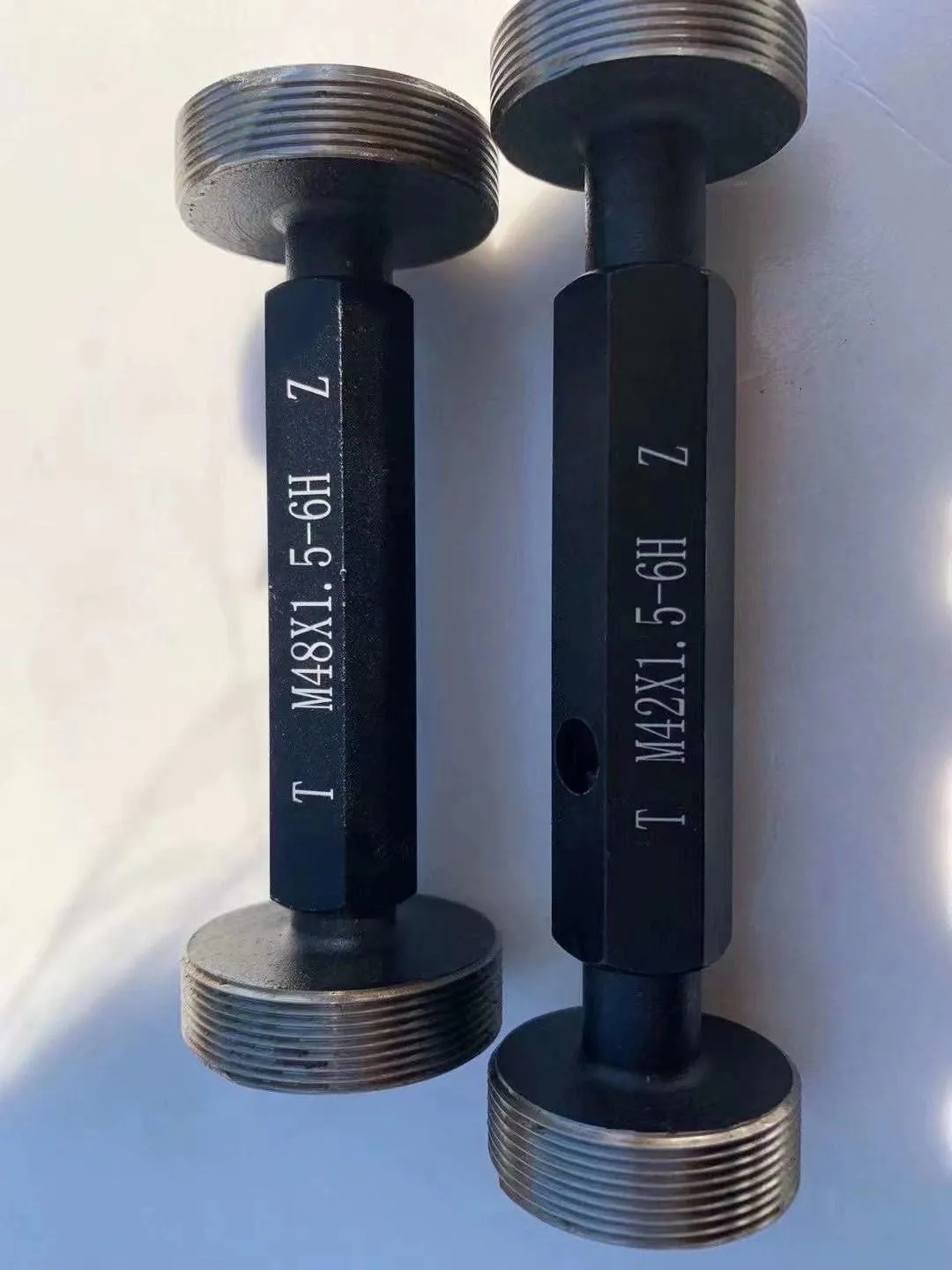
Wholesale Supply for Valves and Fittings Solutions in Industrial Applications
The Dynamics of Valve Wholesale A Comprehensive Overview In the industrial sector, valves play a cru

Wear Resistance Strategies for Trapezoidal Threads
Trapezoidal threads are a cornerstone of mechanical systems requiring precise linear motion and load
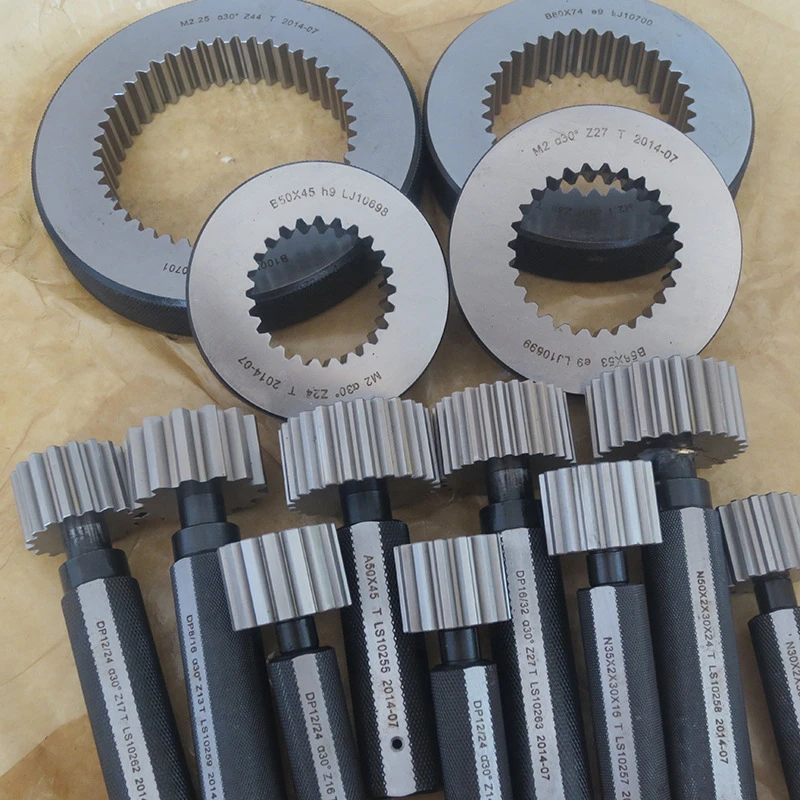
water gate valve
The water globe valve is a pivotal component in fluid control systems, lauded for its versatility, p
 English